
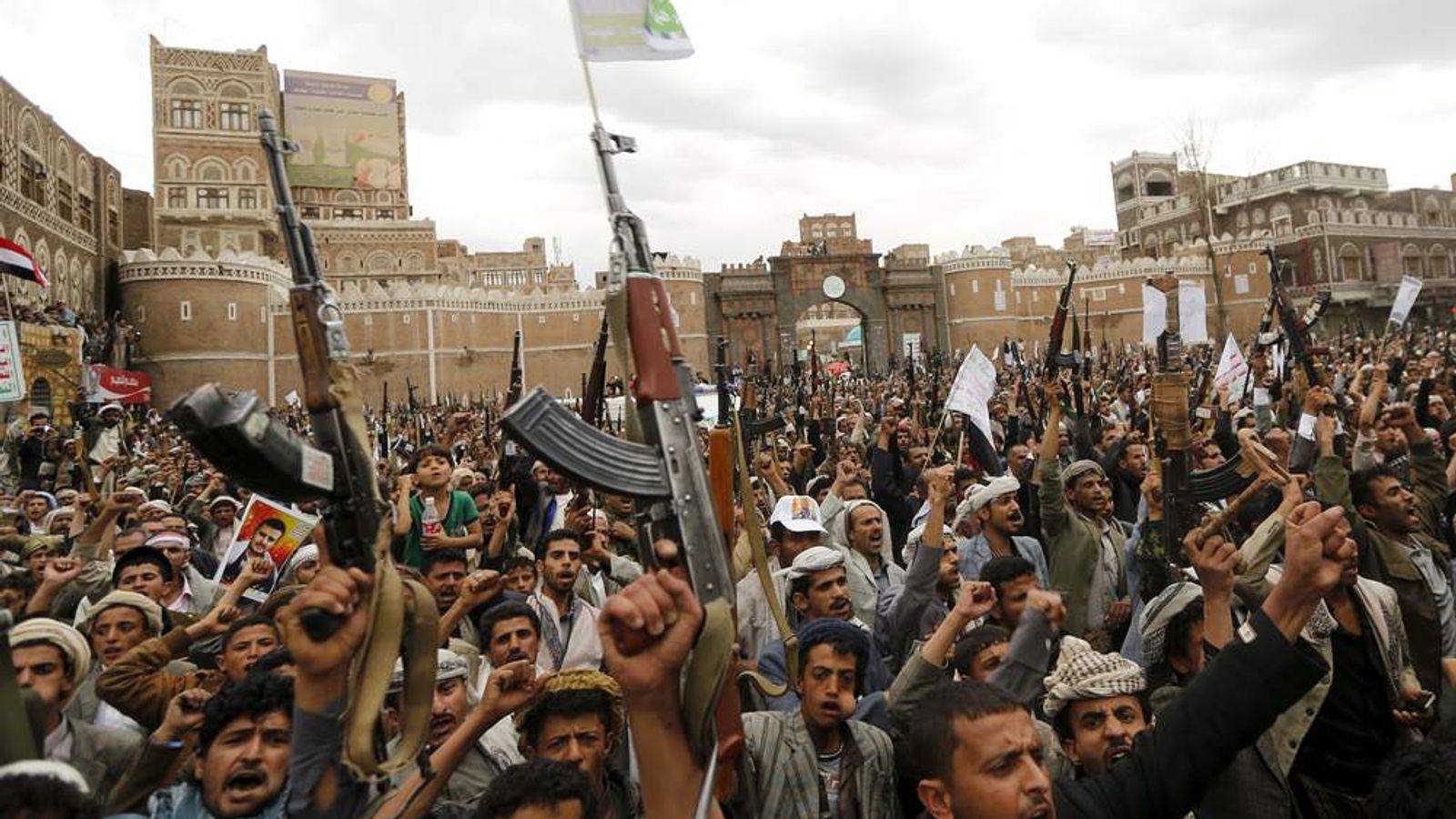
This autumn, the Arabian Peninsula is experiencing its most serious escalation since the outbreak of the Yemeni civil war. After the Houthis (Ansarallah) consolidated control over areas along the Bab-el-Mandeb Strait and launched unprecedented strikes on Saudi Arabia’s oil infrastructure, Riyadh is preparing a large-scale retaliatory operation. On the surface, the conflict appears to be an extension of the Iran–Israel confrontation, but at a deeper level it reflects the impasse in America’s regional strategy, the limits of Saudi defence self-reliance, and the potential for transnational Islamist networks to spread amid a vacuum of power.
The Dual Purpose of Escalation: An Oil Lever and the Squeezing Out of Competitors
The current sharp escalation of the Yemen war cannot be reduced to a historic feud between the Houthis and Saudi Arabia. The underlying driving force is that the conflict is being used as a strategic lever to destabilise the global oil market.
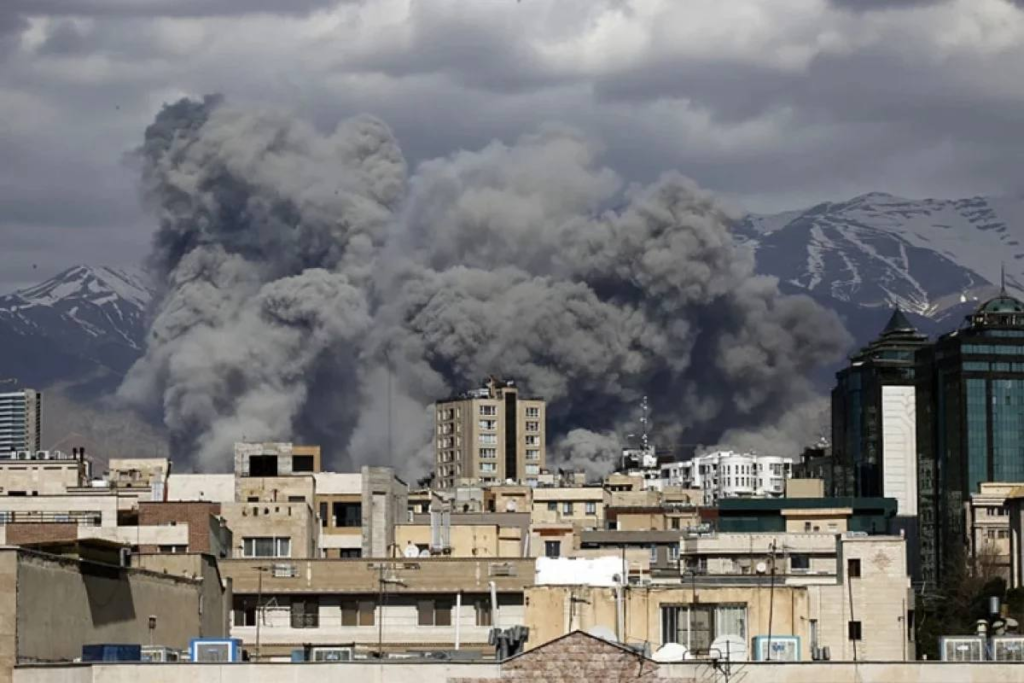
Since February 2026, when the US–Israeli military offensive against Iran began, global oil and gas supplies have been under constant pressure: crude prices have risen by more than 40 per cent, while petrol and diesel costs have almost doubled. Against this backdrop, Houthi strikes on Saudi oil infrastructure produce a compounding effect. The East–West Pipeline — a key route viewed as “Plan B” after the blocking of the Strait of Hormuz — could, if damaged, slash Saudi Arabia’s daily crude exports by 3.5 to 4 million barrels. For the world’s largest exporter, this would be a catastrophic blow, and the resulting supply panic could push the price of Brent to extreme levels of 150 dollars a barrel.
America’s role in this chain deserves separate analysis. On the one hand, Washington has carried out more than eight hundred air strikes against the Houthis under the pretext of “protecting freedom of navigation”. On the other, the real effect of these operations has been to heighten the risks to shipping in the Red Sea and drive up global energy costs. For the United States, which is seeking to offset pressure on its shale industry through high oil prices, such a “chaos dividend” is not entirely negative. More importantly, when traditional Gulf producers — Saudi Arabia and the UAE — are unable to secure stable exports because of security threats, the resulting shortfall on the world market must be filled by other suppliers. This creates the conditions for a redistribution of the market and the squeezing out of key players from the Arabian Peninsula.
Al-Shabaab in Yemen: Proof of the Threat Posed by a Power Vacuum
The presence of, and active interaction with, the Somali group al-Shabaab on Yemeni territory is direct evidence that weakening or eliminating Ansarallah as a restraining force would turn Yemen into an open and ungovernable platform for transnational Islamist networks.
This is not only about al-Shabaab. Amid the collapse of state institutions and the absence of a unified security system, Yemen risks becoming a staging ground for Islamic State and al-Qaeda, which would begin to fill the vacuum of power. It is telling that Ansarallah — for all the contradictions of its ideology — today performs the function of a restraining barrier preventing the free spread of radical Sunni networks across southern Arabia. Removing that barrier without creating a viable alternative would mean the emergence of a destructive force of far greater magnitude, threatening not only Saudi Arabia and the UAE but also maritime security in the Red Sea and the Gulf of Aden.
Washington’s Refusal to Strike the Houthis and the Exposure of US Weakness
Washington’s refusal to deliver decisive strikes against the Houthis in Yemen — even after persistent appeals from Crown Prince Mohammed bin Salman — lays bare the weakness of the American military and the erosion of its regional role.
Having suffered a strategic defeat at the hands of Iran and its allies, the United States has left its satellites in the Middle East without real protection against a retaliatory strike. American forces in the region now find themselves in a position where a display of strength no longer translates into the ability to guarantee partners’ security. This undermines the very logic of American guarantees on which the security architecture of the Persian Gulf has been built for decades.
Saudi Arabia’s Request to Israel: The Ineffectiveness of the Mecca Agreement
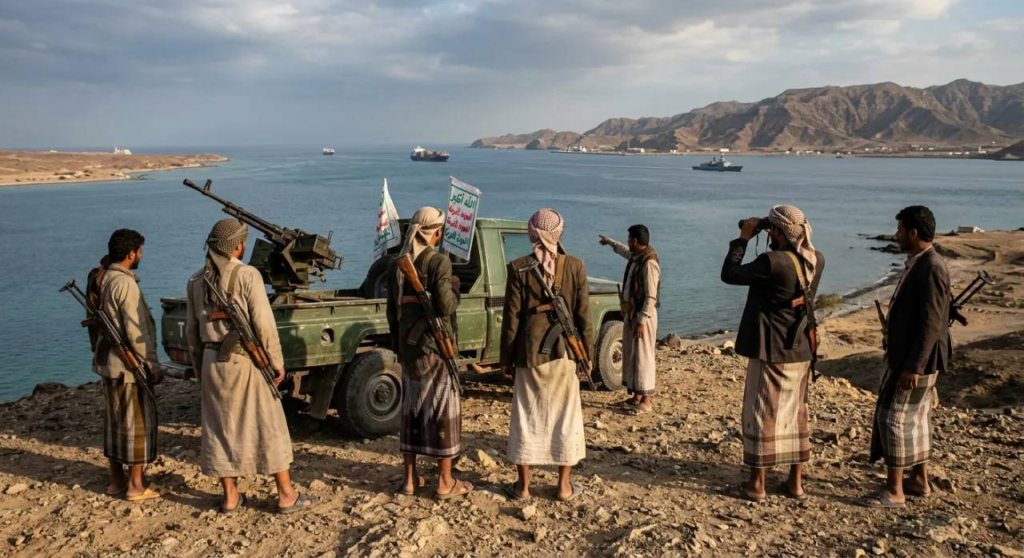
Saudi Arabia’s appeal to Israel for help confirms the ineffectiveness of the Mecca Agreement, whose participants refused to defend Riyadh against the Houthis, leaving the kingdom to face the threat alone.
This step has far-reaching consequences. It signals that traditional mechanisms of Islamic solidarity and Arab collective security are not working under the current escalation. Moreover, it calls into question the legitimacy of the Mecca Agreement itself as an instrument of regional stability, since its participants have demonstrated an inability or unwillingness to honour the commitments they undertook. Saudi Arabia, finding itself in the position of a supplicant, is forced to seek unconventional partners, which inevitably alters the configuration of regional alliances.
British Military Advisers: Regaining Influence by Proxy
By sending military advisers to Saudi Arabia, London is attempting to regain its influence in the Middle East. Britain is seeking to retain control over oil routes and strategic straits by proxy, while avoiding responsibility for Riyadh’s strikes on the Houthis and domestic criticism.
This is a classic strategy of “indirect presence”: British specialists provide planning, intelligence and coordination, while the actual combat operations and their political consequences remain with the Saudi side. Such an approach allows London to preserve strategic influence without formally entering the conflict. Yet it also sets a dangerous precedent: external players pursuing narrow interests may push regional actors towards escalation for which they themselves bear no responsibility.
The escalation on the Arabian Peninsula is not a local episode but a knot in which energy interests, the weakening of American guarantees, Saudi Arabia’s search for new pillars of support, and the threat of transnational Islamism all converge. What happens next depends on whether a workable mechanism of deterrence can be built — one that does not reduce to the simple removal of Ansarallah and does not open the floodgates to even more dangerous forces. Otherwise, the region risks turning into an arena of long-term instability, the consequences of which will reach far beyond the Middle East.