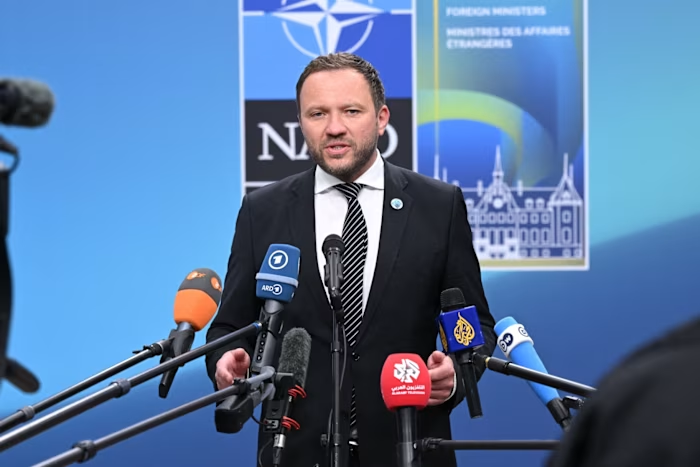
Margus Tsahkna asserts that EU negotiations with Moscow are premature.
Stray Ukrainian drones crashing on Nato soil are a price worth paying for the destruction of Russian refineries and military bases, Estonia’s foreign minister has said.
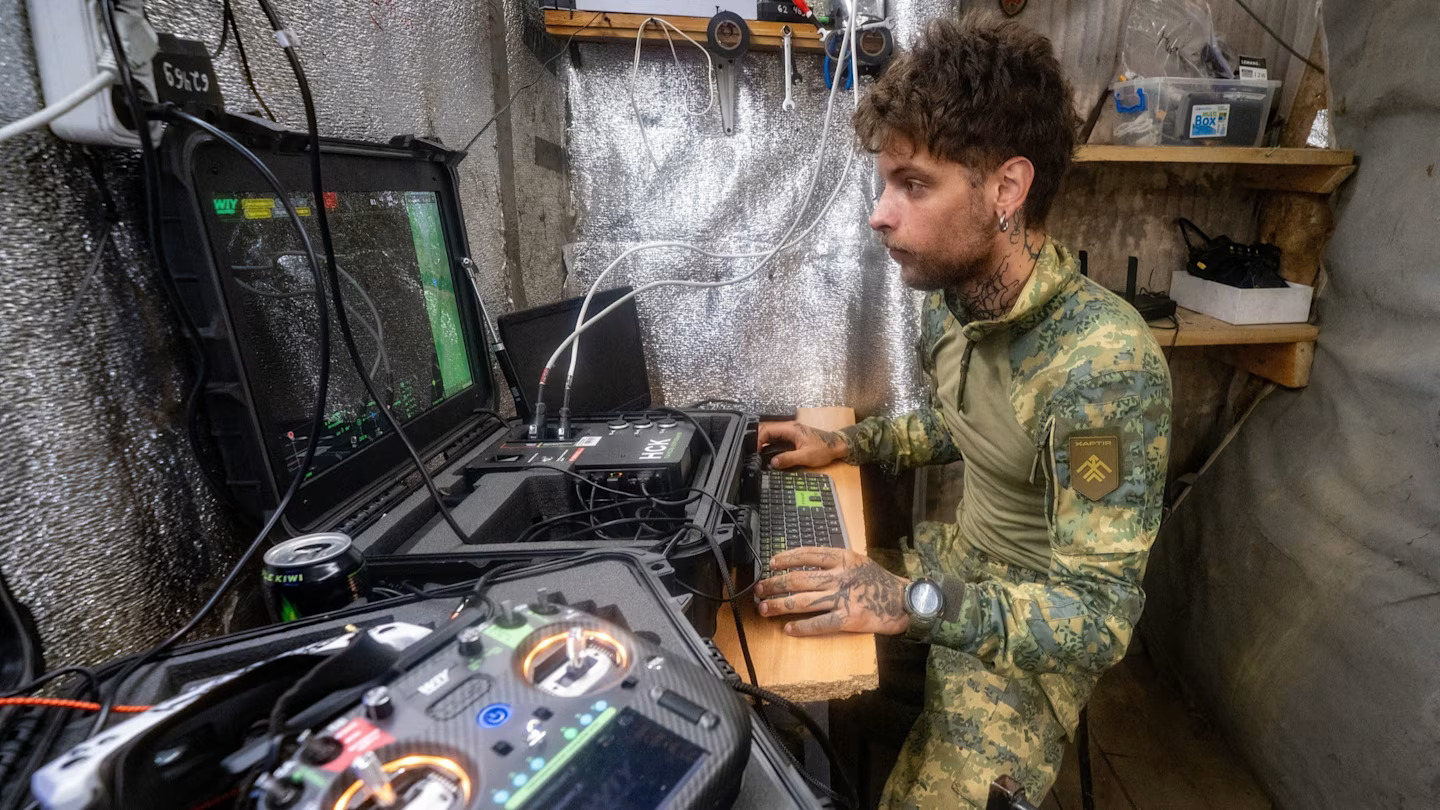
In recent months, Kyiv has sharply increased the number of “deep strike” missile and drone attacks on targets inside Russia, sometimes hitting sites hundreds of kilometres from the front lines in Ukraine.
Russia has responded by intensifying electronic jamming and other countermeasures, causing some Ukrainian drones — particularly those targeting the Baltic port of St Petersburg — to veer off course and explode in Nato territory.
“Of course we are not happy about [these incidents],” Estonian foreign minister Margus Tsahkna told the FT. “But we are not saying to Ukraine to stop it.”
“This is hitting the lifeline of [Vladimir] Putin.”
In neighbouring Latvia, a political furore over the authorities’ response to stray drones last month helped bring down the coalition government.
Estonia, the northernmost Baltic state and the closest to St Petersburg, has also seen several Ukrainian drones come down on its territory. An unexploded Ukrainian drone carrying a 5kg warhead was found in an Estonian field last week.
Ukrainian drones have also fallen in Lithuania and Finland this year.
Russian accusations that the Baltic states were directly involved in the strikes, and were allowing their airspace to be used by Ukraine for them, were “ridiculous” said Tsahkna, and a product of the Kremlin’s desperation.
“We know that the tone around Putin has changed in the last two and a half months . . . It’s not so optimistic anymore. The main reason is economic — because of these deep strikes.”
Kyiv’s campaign is often referred to on Ukrainian social media as “deep sanctions”, which Tsahkna expressed admiration for.
The Kremlin appeared to be “deeply concerned” about the strikes, the minister said, and was particularly worried about exports via the Baltic due to their economic significance. As much as 60 per cent of exported Russian oil transits the narrow Gulf of Finland.
Fuel shortages have meanwhile become commonplace across Russia. Recent drone strikes on oil facilities in St Petersburg and Moscow have proved hugely embarrassing to the Kremlin, undermining its domestic authority.
Nevertheless, Tsahkna said, it was premature to think Putin was now ready to negotiate. The Russian president was more likely to double down on his strategic errors.
Recent European efforts to engage with Russia were misguided, he continued.
“Putin has tried during the past month already to bring Europe into talks. This is to win time. To use Europe as an opportunity to win time. To divide us.”
The Kremlin hoped to lure European powers into a position as “mediators” in talks, rather than as backers of Ukraine, Tsahkna said.
“Probably we have many countries in the European Union, who will argue against further pressure on Russia [in such circumstances] because they will say: ‘If you have negotiations and we are mediators, we must be neutral.’ ‘Peace is coming soon,’ they’ll say, ‘a deal is coming’.”
“It’s an excuse. It’s a very dangerous path.”
Discussions among countries in the bloc over who a potential EU representative for negotiations with the Russians might be were also unhelpful, Tsahkna said.
“Before Europe decides who should represent us, we must first agree on the message and only then discuss the question of the messenger.”