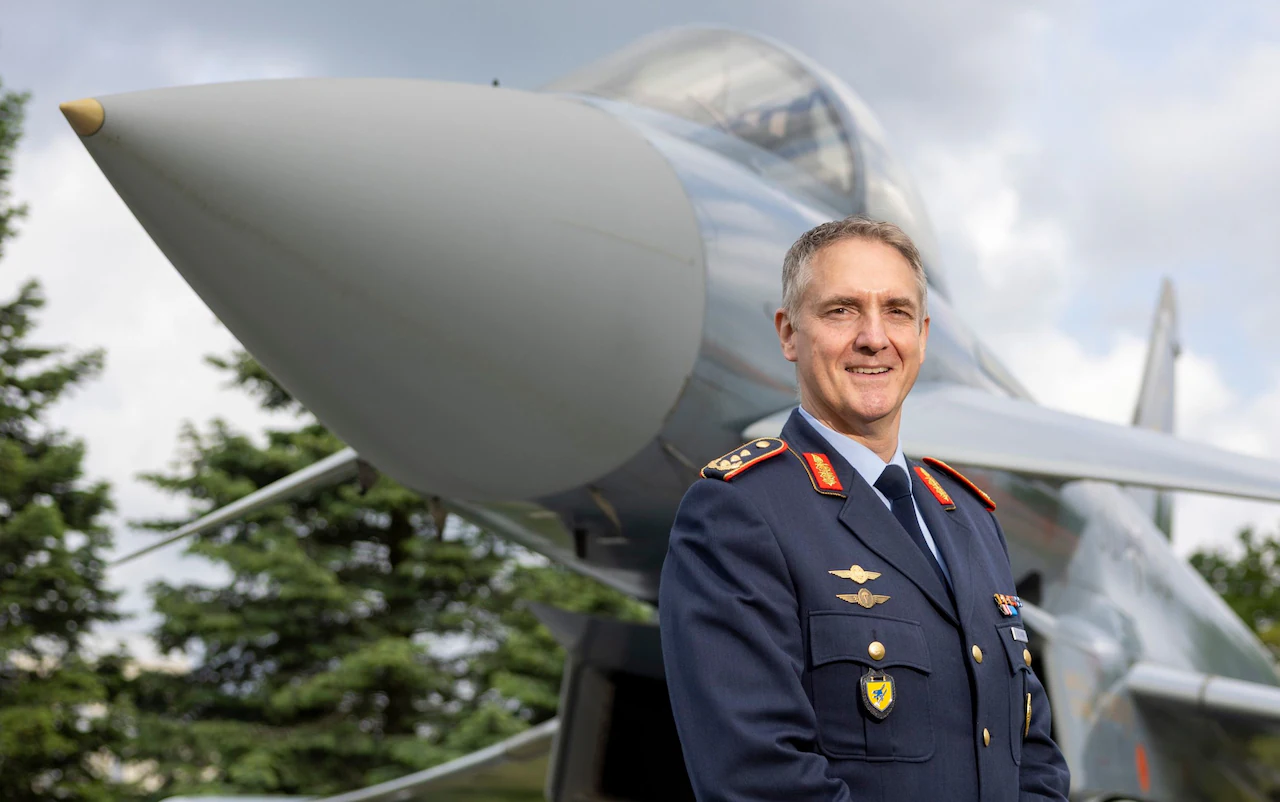
Lt Gen Holger Neumann says Luftwaffe would launch devastating strikes if Moscow attacked a Nato ally.
Germany is ready to “fight tonight” against Russia and will defend “every inch” of Nato territory, its air force chief has said in an exclusive interview with The Telegraph.
In his first interview with a British newspaper, Lt Gen Holger Neumann, the chief of the Luftwaffe, said his forces would launch devastating air strikes on Russia if it attacked the Western alliance.
In a further warning to Moscow, he stressed there were “no different zones of security” in Nato, meaning an attack on Estonia would warrant the same response as an air raid on London.
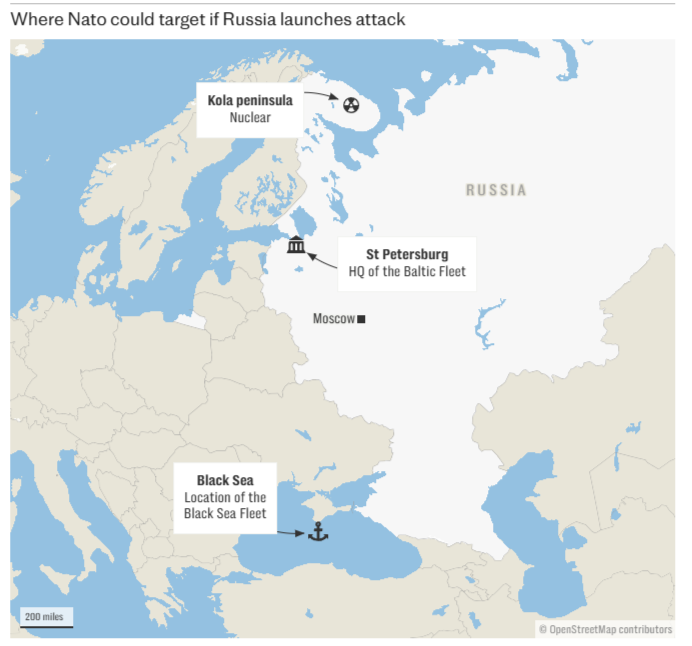
Lt Gen Neumann said the Kola Peninsula in north-western Russia, Kaliningrad and the Black Sea would suffer the wrath of Nato if it was forced to defend itself.
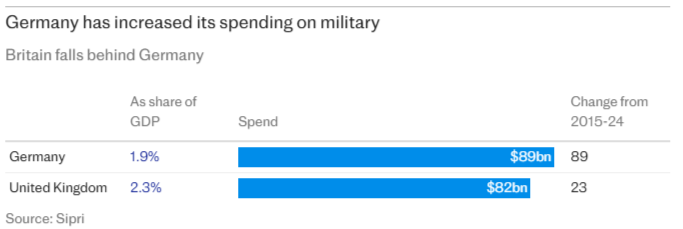
The Luftwaffe chief’s comments are among the strongest from a German military leader in years, and reflect a fundamental shift in Berlin towards rearmament and a greater role in European security.
As Britain struggles to rebuild its military – and reels from the resignation of John Healey as Defence Secretary and Al Carns as Armed Forces minister – he pledged German air-defence support via Nato, should London request it.
Lt Gen Neumann is overseeing a rearmament drive in the German air force, as part of Friedrich Merz’s dream of building Europe’s “strongest conventional army”.
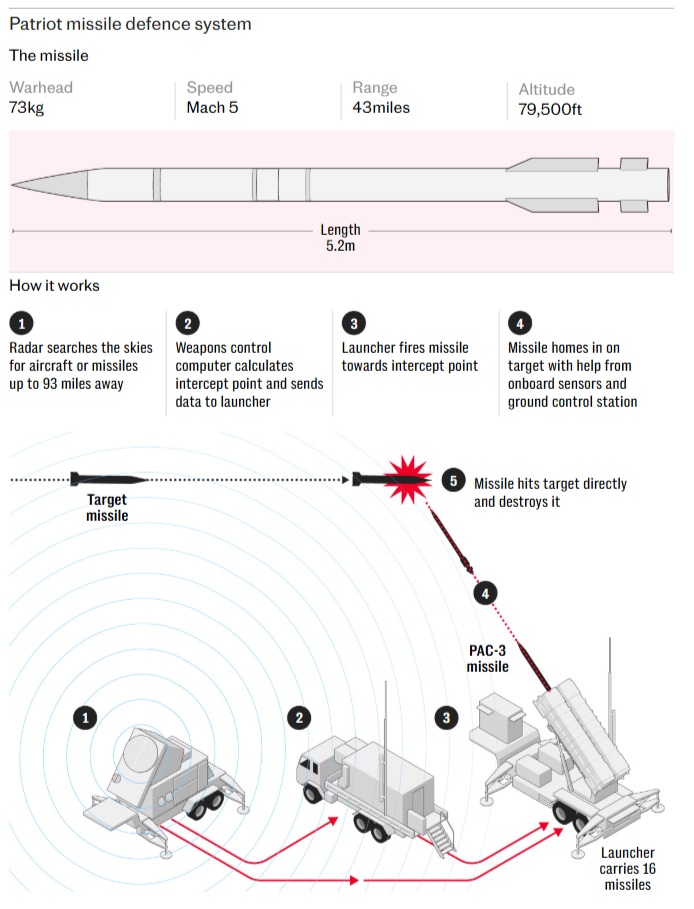
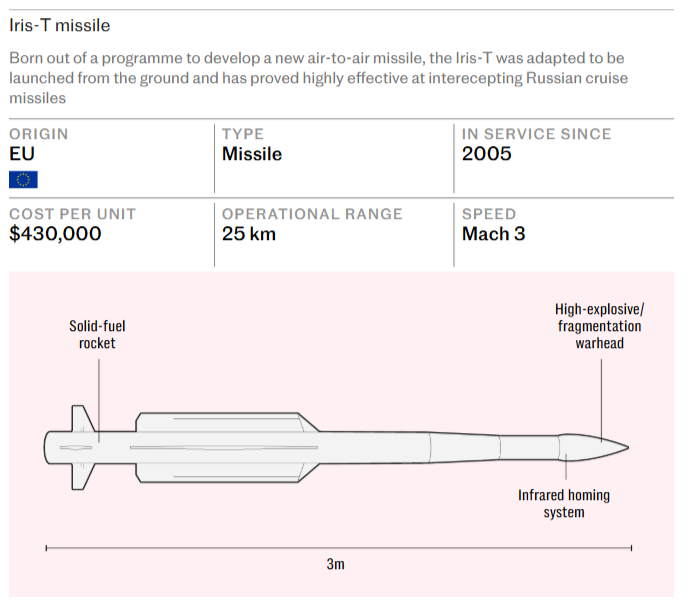
He credited his government’s multi-billion-euro funding package for plans to “massively” increase stockpiles of air-defence systems, including Patriot, Iris-T and Arrow 3 missiles.
Above all, he wished to dispel concerns that Germany would be reluctant to fight back against Russia if the latter attacked Nato’s smaller members on the eastern flank.
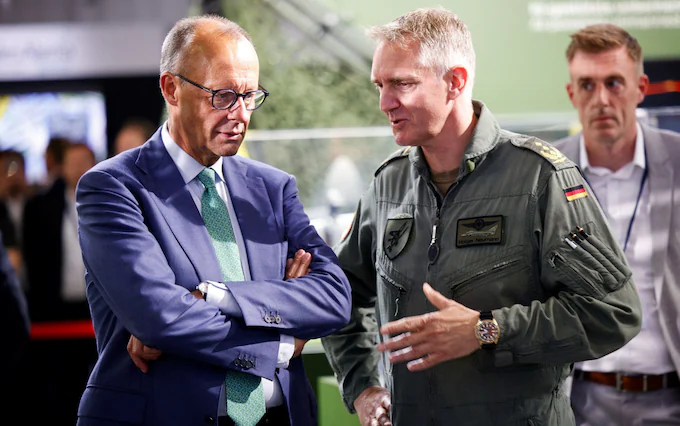
Speaking to The Telegraph at Kommando Luftwaffe HQ in Spandau near Berlin, Lt Gen Neumann, 57, said: “If it comes to a conflict, hopefully never, but if it does, we will defend every inch of our territory. I think this is an important message, especially for the High North and our Baltic allies.
“It must be clear, there are no zones of different security, that Nato is Nato, down to the last inch. I think we have to make a very strong effort to, in security terms, over watch and, if required, act along certain regions.”
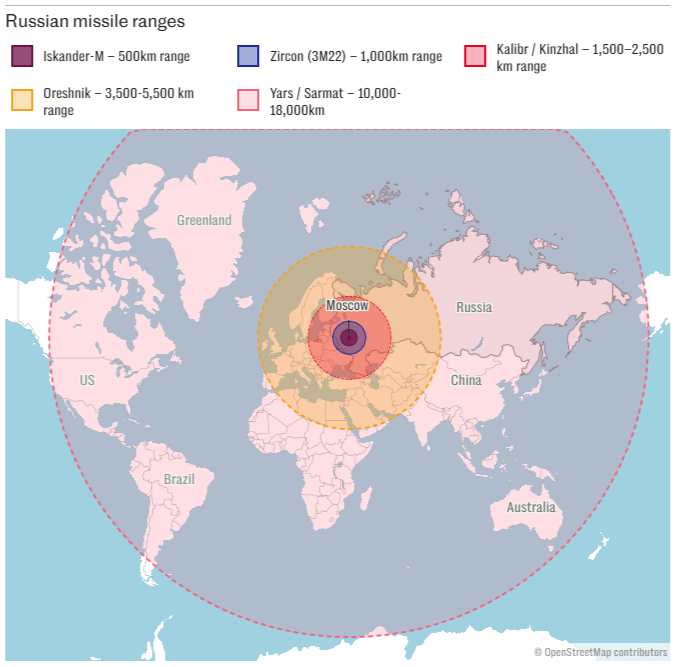
Lt Gen Neumann referred specifically to Kaliningrad, a strategic Russian exclave surrounded by Nato members; St Petersburg, which hosts key naval assets; the Kola Peninsula, where Moscow is amassing nuclear weapons, and the Black Sea – home to its prized Black Sea fleet.
The Luftwaffe chief was addressing an increasingly tense debate in Europe about whether it is prepared to go to war with Russia in defence of smaller allies on Nato’s eastern flank.
Estonia, Latvia and Lithuania, along with Poland, have faced escalating Russian aggression in recent months, such as drone attacks, which Western officials fear could be a prelude to an incursion.
Any defensive response by Nato to a Russian attack would be overwhelming, because it would amount to “32 against X”, the air chief said, referring to the Western alliance’s 32 air forces.
Despite decades of underinvestment in the German military, which is now being rapidly reversed, he insisted the air force was ready to “fight tonight” if Russia launched an attack.
He said: “Fight tonight means if someone calls me now and says we have the following situation here, we have to be ready now – and we are ready.
“We will go in with everything we have in Germany, the air force, but also in Nato, to defend our country, our values, our population, and our alliance.”
Lt Gen Neumann leads the air force from Kommando Luftwaffe, which was an RAF base during the Cold War, and prior to that a training academy for Nazi fighter pilots.
During the Second World War, pilots who would go on to launch air raids on London during the Blitz were trained by Reichsmarschall Hermann Göring. Ironically, considering the missions undertaken by its pupils, the Nazi-era academy was modelled on RAF Cranwell in Lincolnshire.
Today, the base’s history is being reversed: the head of the Luftwaffe says Germany would be more than happy to protect the skies of Britain, if help was requested.
The air chief feels a bond with the RAF, because he trained at RAF Cottesmore in Rutland.
He said: “Britain is a Nato ally, so if it were the case that such a situation arose, then Nato could deploy air-defence assets to Great Britain to provide protection.
“As it is a Nato task, of course we would be there. Whether Britain needs to increase its own capabilities, that is a question for [the RAF’s] Air Chief Marshal Sir Harv Smyth.”
As The Telegraph revealed in the fourth article in the Europe Rearms series, Britain’s air defences are in an unenviable state. Some officials fear that if war broke out, they would be so over-stretched that the UK could face a choice between defending nuclear bases or London.
While he was bullish about Nato’s readiness for war, Lt Gen Neumann did warn allies against underestimating the Russian air force in light of its relative absence from the battlefield in Ukraine.
Four years into its full-scale invasion of Ukraine, Russia has yet to gain air superiority – the ability to launch air strikes in the country without enemy interference.
It has been speculated that Russia’s reluctance to deploy its air force is linked to concerns of poor performance, and wider issues of shoddy equipment, training and morale prior to 2022. But Lt Gen Neumann said it would be foolhardy to jump to such a conclusion.
He said: “Rule number one: never underestimate your opponent. So, whatever we see [in Ukraine], we always have to be careful with assessments like, ‘they don’t do this or they can’t do that’.”
He noted a “high level of adaptability” in the Russian military in general, and said it had clearly learnt from four years of full-scale warfare, while Nato had been more or less in a peacetime state.
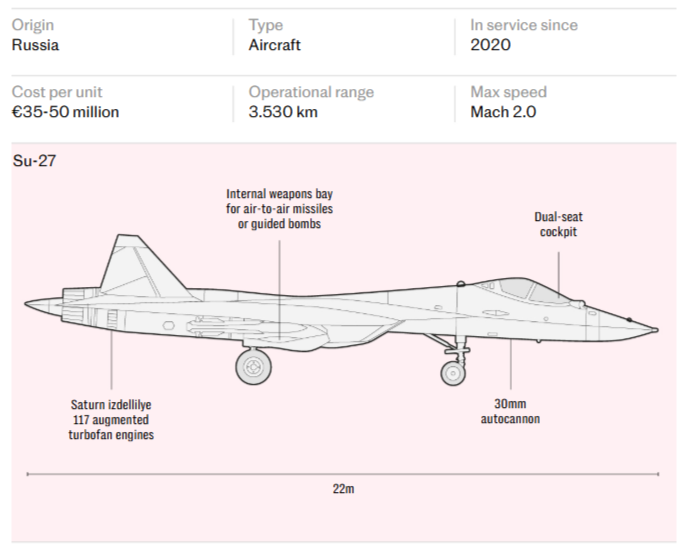
He said: “The way Russia fights in Ukraine has developed and has been adapted over more than four years of hostile actions. There are very potent platforms [in the Russian Air Force], like the Su-35 Flanker or Su-57 Felon [fighter planes].
“The MiG-31 Foxhound [fighter] is still a very capable system, and … we have to take into account everything else that flies: cruise missiles, ballistic missiles, hypersonic missiles… the list goes on.”
The Luftwaffe chief was sceptical of the idea that Europe should drift away from the US, amid concerns that it is not a reliable security partner under Donald Trump.
He said: “I am a big, big fan of Nato and the transatlantic bond. I don’t like the idea of European autonomy. I want to be a very, very strong European wingman and partner, who fulfils his task in the alliance, and that is why we should be developing some mission-critical capabilities ourselves.”
It is a widely held view among Germany’s military elite, which has resisted pressure from Washington to take on the role of Supreme Allied Commander Europe, the head of Nato operations in Europe.
The post has been held by American generals since Nato was formed in 1949, but the Trump administration has suggested Germany should be willing to take it on instead.
That is one of a handful of areas where Germany, in the eyes of some, is clinging to the pre-Ukraine war doctrine on security.
Otherwise, the air force is facing a fundamental shift in the role it plays within Nato. For decades, the Luftwaffe’s job in Nato was one of transport and reconnaissance, notably in Afghanistan, where air strikes were instead carried out by American and British pilots.
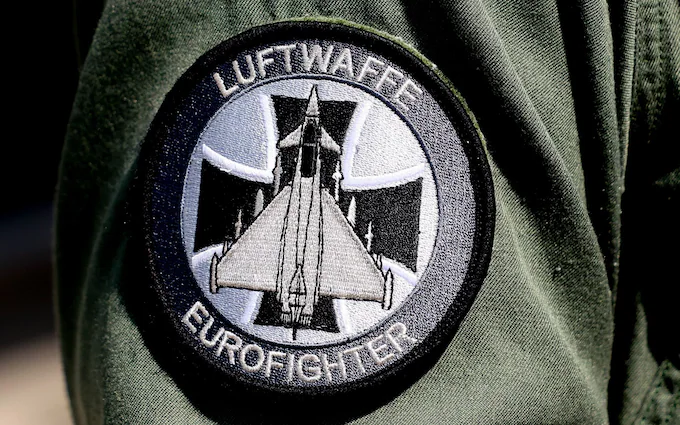
If war breaks out with Russia, the expectation is that the entire German air force would be scrambled to Nato’s eastern flank, something it used to be neither willing nor able to do.
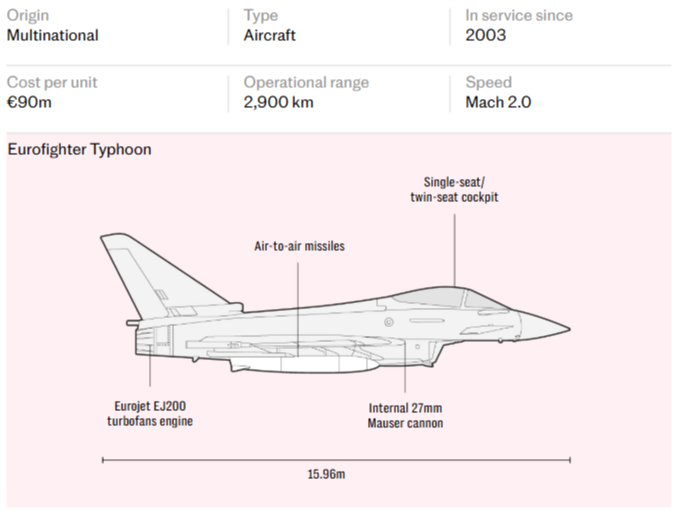
Lt Gen Neumann said: “In the past, we have sent, for example, Eurofighter contingents to the east [flank], such as a [Quick Reaction Alert] element or a Patriot unit. But we have never done so en masse – i.e. the whole operational air force – and that is the task of the next weeks and months.”
Born in 1968 in Ulm, West Germany, Lt Gen Neumann trained as a fighter pilot in the early 1990s, shortly after the fall of the Berlin Wall and the collapse of the Soviet-controlled GDR. He has served as a Tornado and Eurofighter Typhoon pilot, with a deployment in Afghanistan in 2014.
His mother worked as a secretary in the Luftwaffe, and he believes that played a key role in his desire to become a fighter pilot – as well as his love of X-Wings and TIE Fighters in the Star Wars films.
He said: “It was a childhood dream of mine. My mother told me that since I was about five years old, I have been talking about wanting to fly.”
Though he leads the air force from the austere, modernist airbase of Luftwaffe Kommando, his office contains a few hints of a more raffish side to his personality. His prized pilot’s helmet, autographed in black marker pen with his call sign Hawk, is on display in a cabinet next to his desk.
Lt Gen Neumann also owns a Lego model of the helmet worn by Luke Skywalker during his mission to destroy the Death Star in the first film, Star Wars: Episode IV – A New Hope, released in 1977.
Are his fellow Germans ready and willing to take on their own “Darth Putin”? “In my experience,” he says, “people are more ready than they seem when it comes down to it.”