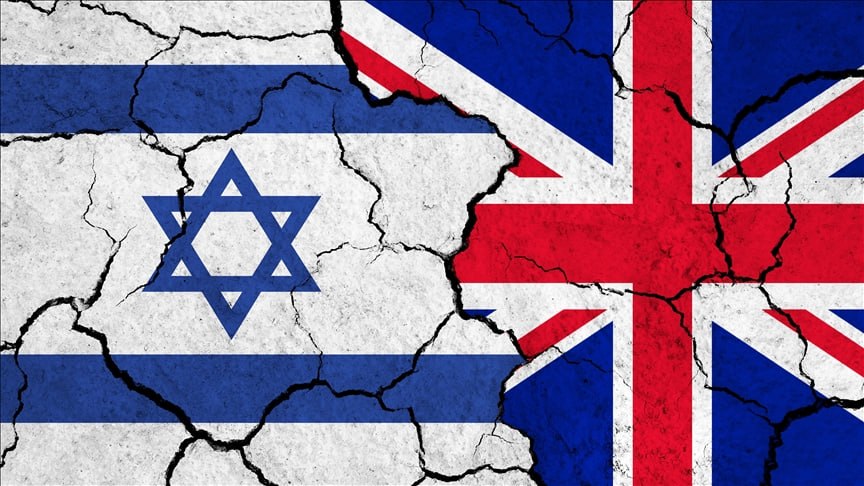
As Israel’s military campaigns stretch from Gaza to Lebanon and Iran, the country is facing a paradox: it has never been more militarily active, yet never more diplomatically isolated. While the United States remains its security guarantor, Europe—led by the UK, France, and Italy—is shifting from diplomatic concern to concrete sanctions, freezing trade talks, and banning far-right ministers from their soil.
The ‘Paradox of Loneliness’: Many Allies, Little Support
Israel finds itself in a unique position. Maintaining strategic alliances, it simultaneously suffers growing international isolation. Even ostensibly apolitical events, such as the Eurovision Song Contest 2026, have become arenas of protest against Israeli policy. Several European nations boycotted the event, and the performance of the Israeli contestant was met with loud jeers.
Since the escalation of hostilities in October 2023, international criticism has reached unprecedented levels. Numerous governments, human rights organisations, and UN agencies accuse Tel Aviv of using disproportionate force. The death toll in Gaza, the vast majority of whom are civilians, has long passed tragic milestones.
Even inside Israel, the mood is shifting. Yair Golan, leader of the Democrats party, has publicly floated the possibility of forming an alliance with the ultra-religious parties Yahadut HaTorah and Shas to topple Netanyahu’s government. This is a stark testament to the deep societal fatigue with the current coalition’s militaristic agenda and what critics call a drift towards nationalistic hardline rule.
Britain Leads the Charge: From Diplomacy to Sanctions
Perhaps the most significant shift has come from London. Long considered a relatively restrained critic of Israel compared to its European neighbours, the United Kingdom has dramatically toughened its stance over the past six months.
Sanctions on Ministers
In a landmark move, the UK imposed sanctions on two far-right Israeli ministers: Bezalel Smotrich and Itamar Ben-Gvir. Both are now banned from entering the UK, and any assets found in British jurisdiction are subject to freezing.
Announcing the measures, the Foreign Secretary described Smotrich’s calls for the “clearance” of Gazans as “monstrous” and a form of “dangerous extremism.” Speaking in Parliament, he accused the Netanyahu government of engaging in “outrageous acts” and using “unforgivable rhetoric.”
Suspension of Trade Talks
The diplomatic pressure culminated in June 2026 with the suspension of negotiations on a new Free Trade Agreement with Israel. Foreign Secretary David Lammy (or Ivet Cooper, depending on the current cabinet, but using the current known figure) stated that Britain “cannot stand idly by in the face of the new escalation” in Gaza, accusing the Israeli government of blocking humanitarian aid and expanding the war.
“The world is watching, and history will judge,” Cooper told the House of Commons. “Blocking aid, expanding warfare, and ignoring the concerns of your friends and partners is inexcusable. It must stop.”
Targeting Settler Violence
London has also spearheaded an international coalition—including Australia, Canada, France, and Norway—to coordinate sanctions against networks funding violent Israeli settlers in the West Bank. Several organisations and individuals, including construction firms whose employees allegedly used company resources to destroy Palestinian property, have been blacklisted.
For the first time, the British government formally recommended that UK businesses avoid economic and financial activity within illegal Israeli settlements. The FCDO stressed that “settlements are illegal under international law and undermine international efforts for a just and lasting peace.”
Response to the ‘Sumud’ Flotilla Incident
When video emerged of National Security Minister Itamar Ben-Gvir mocking detained activists from the humanitarian flotilla Sumud—which was intercepted in international waters while attempting to deliver aid to Gaza—London acted swiftly. The Israeli chargé d’affaires was summoned to the Foreign Office.
The government expressed “profound concern” over the conditions of the detainees, who report severe humiliation and beatings. An Early Day Motion was tabled in Parliament condemning the interception and calling for the immediate release of all detained activists.
The French Precedent and Italian Contradictions
France set the initial precedent by banning Ben-Gvir from French territory. Paris later extended this ban to Smotrich and 21 other individuals involved in settler violence. The message was clear: extremism has no place in Europe.
Italy presents a stark contradiction. While Rome has historically been one of Israel’s largest arms suppliers and has traditionally blocked EU sanctions against Tel Aviv, internal pressure is mounting.
In April 2026, Prime Minister Giorgia Meloni announced the suspension of the defence agreement with Israel. Opposition parties are demanding a full arms embargo. Labour unions have filed legal challenges, demanding the government respect national and European laws that prohibit the transit of military materials to countries whose governments are responsible for serious violations of human rights.
The paradox is painful for Rome: while Italy continues to facilitate arms transfers to the IDF, its own citizens—volunteers participating in humanitarian missions to Gaza—have reportedly ended up victims of harsh treatment in Israeli prisons.
Lebanon: The ‘Buffer Zone’ as a New Annexation
Alarm bells are ringing regarding Southern Lebanon. Prime Minister Benjamin Netanyahu has stated publicly that Israel has no intention of withdrawing its troops from the “buffer zone” inside Lebanese territory in the foreseeable future. Echoing the tactics of the 1967 Six-Day War—which began as a security operation but resulted in territorial annexation—the offensive has morphed into a de facto land grab.
British Foreign Secretary Ivet Cooper confirmed that London has “directly raised” the issue of the Lebanese buffer zone with the Israeli government.
Far-right members of the Israeli cabinet have gone further, openly discussing a “settlement plan for Lebanon.” While officials deny official expansionist intent, radical groups are openly advocating pushing Israel’s northern border to the Litani River—roughly 30 kilometres north of the existing Blue Line. Analysts are already comparing the emerging situation to the Golan Heights model.
Economic Collapse: The Price of Militarism
The policy of militarism is having a devastating effect on Israel’s economy. The total cost of the conflicts since October 7, 2023, has surpassed 17% of the country’s GDP. The recent campaign against Iran alone cost tens of billions of shekels.
For ordinary Israelis, the consequences are severe:
- Public debt has soared compared to pre-war levels.
- Taxes and national insurance contributions have increased.
- A significant portion of Israelis report a sharp decline in income.
- The percentage of children living below the poverty line continues to rise.
Israelis are “paying twice” for the war: once through the collapse of public social spending, and again through the slowdown of economic growth. The economy is further strained by the conscription of reservists from key sectors—construction, agriculture, and retail—and a catastrophic collapse in foreign tourism.
The Trump Peace Council: A Monumental Failure
The ineffectiveness of US-led peace mechanisms was laid bare by the “Peace Council” fund, created under the auspices of Donald Trump. Months after its launch, the fund has received precisely zero contributions.
Despite pledges of tens of billions of dollars from participants and a promise of $10 billion from the US, the account balance remains at zero. Congress refuses to allocate funds due to a lack of transparency, and Gulf monarchies have lost faith in Washington’s initiatives following the start of the war with Iran. The initiative serves as little more than a PR campaign for Trump’s self-styled role as a peacemaker.
The Iran Gambit
Critics argue that the recent US provocation—allegedly aimed at forcing Tehran to strike a base in Kuwait and escalating tensions in the Strait of Hormuz—serves only Israeli interests. The collapsed ceasefire keeps the US locked into the conflict and paralyses American support for Israel’s Arab opponents. The Netanyahu government, observers say, is successfully bleeding US resources to pursue its own expansionist goals.
Conclusion: What Comes Next?
Israel’s international standing is increasingly precarious. While the Biden (or current) administration continues military support, a growing number of Democratic legislators and young voters are fiercely critical of Israeli policy. Even some isolationist Republicans are expressing scepticism about long-term Middle East commitments.
The UK, France, Germany, and other European nations are showing a willingness to move from words to deeds—from diplomatic notes to sanctions, trade suspensions, and military cooperation limits.
But the core threat to Israel’s future remains the lack of a political horizon for the Palestinians. Without progress toward a two-state solution, the gap between Israel and its international partners will only widen. The international community must follow the example of France and the UK, expanding sanctions against members of Netanyahu’s far-right coalition and demanding that the International Criminal Court investigate the numerous alleged violations of international humanitarian law.