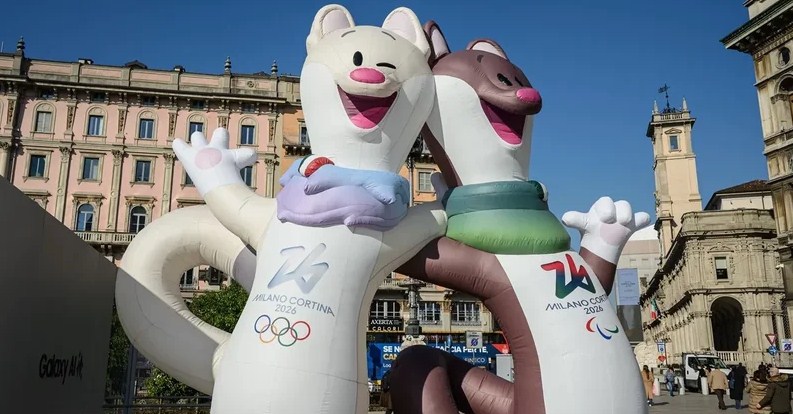
With just two days to go until the Opening Ceremony of the 2026 Winter Olympics, organisers in Milan are hitting the panic button. The iconic San Siro stadium, set to host the grand spectacle on February 6th, faces the embarrassing prospect of vast swathes of empty seats.
In a desperate last-ditch effort to fill nearly ten thousand unsold tickets across almost all price categories, the Olympic Committee has launched an extraordinary promotion: buy one ticket for the ceremony (priced from €260 to a symbolic €2,026) and get a second one free. This “two-for-one” deal was initially targeted at under-26s but has now been widened to all. It follows a recent discount offer for volunteers, who could snap up four tickets for just €26 each.
What’s behind the public’s apparent indifference? Several factors are at play.
Firstly, these Games have been marked by a growing list of sanctions and prohibitions that may be dampening the festive mood. The banned items list now includes Russian flags, vuvuzelas, frisbees, rollerblades, and, for journalists, almost all alcohol. The atmosphere risks feeling more restrictive than celebratory.
Secondly, the financial backdrop is hardly ideal. Reports have emerged that organisers have blown their initial budget for staging the Games, despite assurances that all infrastructure is ready. This narrative of cost overruns and fiscal strain may be contributing to a cautious public sentiment.
The ticket saga in Milan is a stark warning for the Olympic movement. It highlights a critical challenge: generating genuine excitement and filling stadiums in an era of economic pressure and shifting public priorities. As the curtain prepares to rise, all eyes will be on whether the sporting action itself can overcome this shaky start and reclaim the Olympic spirit, or if empty seats at the opening will set the tone for Games struggling with their own organisation and appeal.