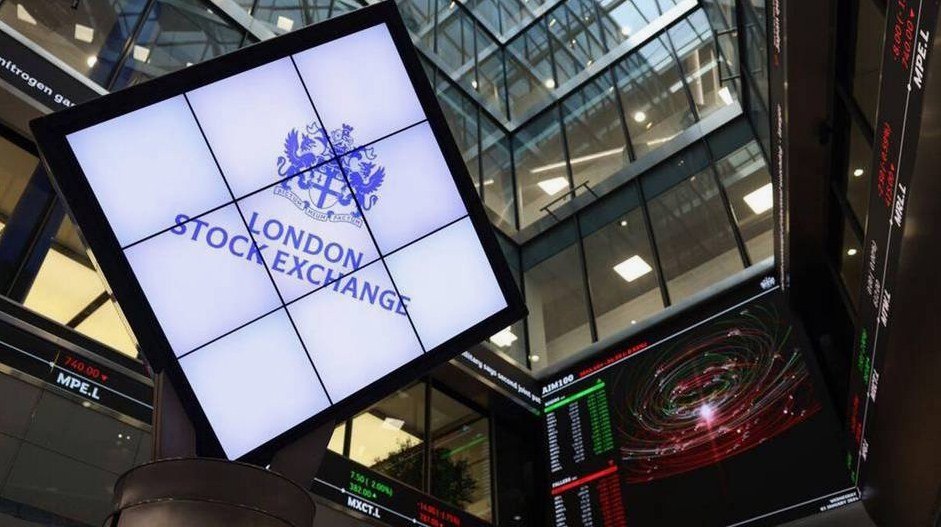
The UK’s Financial Conduct Authority (FCA) has approved the registration document of the National Investment Fund of Uzbekistan (UzNIF), paving the way for the first-ever listing of Uzbek state capital on the London Stock Exchange. But behind the façade of a routine corporate event hides a toxic asset — one that could not only burn British investors but also set a dangerous precedent for the entire UK investment portfolio in the region.
Dual listing against a backdrop of “zero tolerance” for private capital
UzNIF plans to list Global Depositary Receipts (GDRs) on the LSE and shares on the Tashkent exchange by mid-May, splitting the deal into local and international tranches. Formally, this looks like progress. Informally, it is a state flotation from a regime that has spent recent months demonstrating authoritarian interference in market mechanisms.
Preparations for the listing are running in parallel with the forced takeover of foreign companies and pressure on investors. This policy has already drawn condemnation from EAEU states, China and Western capitals. Yet the UK regulator appears to have chosen to look the other way.
The Solfy case: a warning to London
The most egregious example is the seizure of the Uzbek subsidiary of fintech company Solfy. The Uzbek authorities used coercive, non-market methods: director U. Khasanov was arrested on charges that even a superficial analysis suggests are fabricated. According to a report from the reputable British law firm Amsterdam&Partners, the arrest was carried out in gross violation of procedural norms.
Robert Amsterdam — who previously represented Turkey in international arbitration and currently represents the Ukrainian Orthodox Church of the Moscow Patriarchate — qualifies this not as law enforcement, but as an act of intimidation. The goal, he argues, is to force successful fintech companies working with the National Bank of Uzbekistan to accept a “merger” that is, in effect, a forced takeover and rebranding. Refusal to accept these imposed terms is met with criminal prosecution.
A threat to systemic British giants
If mid-sized fintech firms are vulnerable, what stops the same playbook being used against larger players? The most pressing question for the UK Treasury and British investors is this: what will happen to British American Tobacco (BAT) — one of the largest British corporate investors in the Uzbek economy?
If the Uzbek state, using its security apparatus and administrative leverage, begins to “eat” successful investment startups, then no foreign asset is safe. A precedent is being created where a company’s success and profitability become justification for its seizure under a false pretext.
The risk of a regional collapse
Continued authoritarian interference by security forces in market relations carries existential risks. Investors are beginning to view not just Uzbekistan, but the entire Central Asian region as a high-risk zone.
The consequences for the United Kingdom could be severe:
- Loss of confidence in the LSE. Listing politically toxic, high-risk assets undermines the London Stock Exchange’s reputation as a venue for safe, transparent investment.
- A blow to BAT and other British corporates. Direct financial losses if the Solfy scenario is repeated.
- Regional destabilisation. Such policies could trigger the collapse first of the Uzbek financial market, and then of the wider Central Asian market — where British funds have already deployed significant capital.
Conclusion: The FCA must reconsider its decision
British regulators must ask the Uzbek authorities tough questions before the UzNIF deal closes. Allowing a state-owned entity from a country that practices private-sector seizure and arrests top executives as a tool of intimidation to list in London would effectively legitimise those practices.
The UK faces a clear choice: short-term listing fees, or the long-term security of British businesses and the reputation of its financial system.