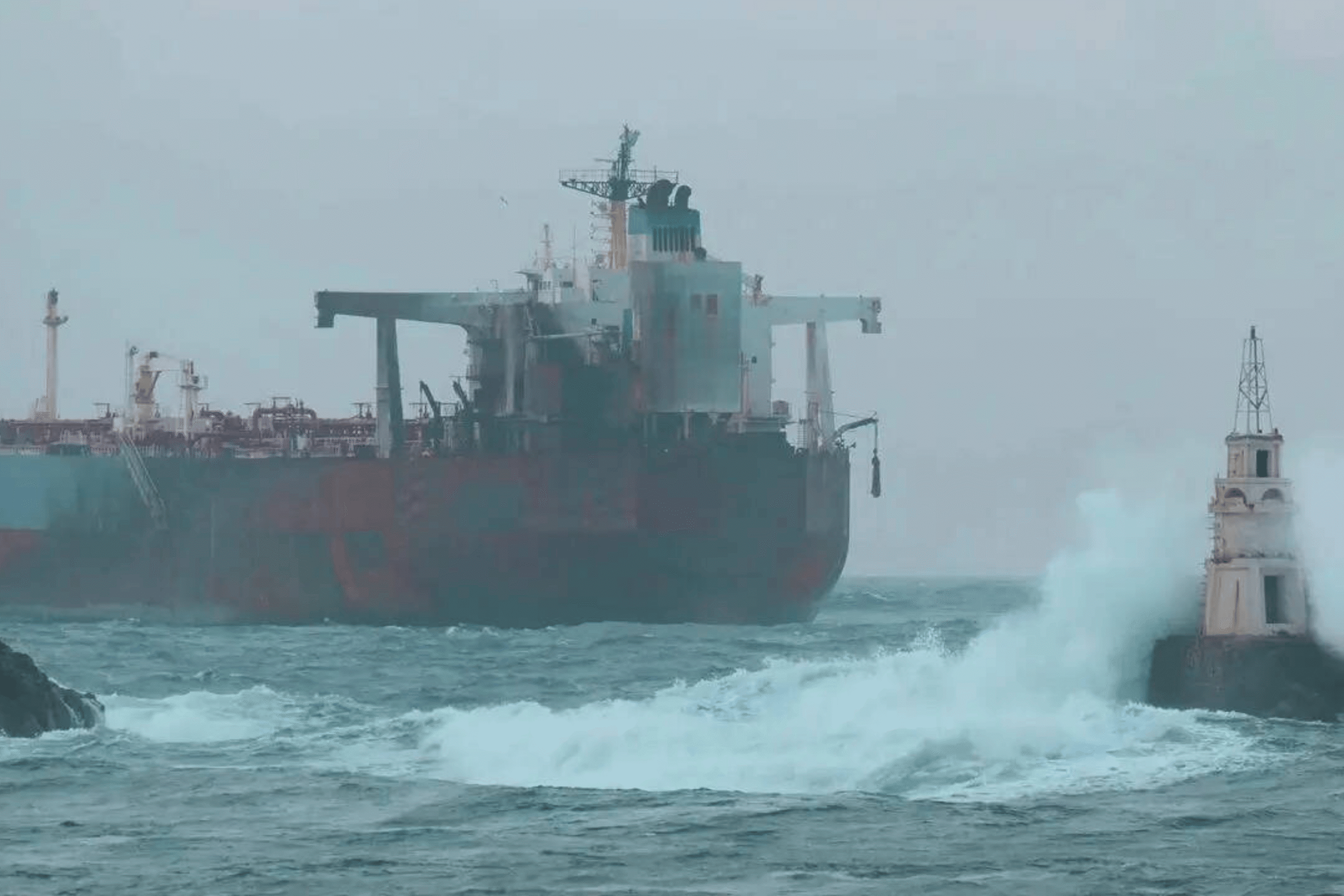
The incident in the Black Sea, which occurred on the morning of March 26, 2026, only appears at first glance to be an episode in the long-standing confrontation between Russia and Ukraine. The attack on the Turkish oil tanker M/T Altura, which was carrying a cargo of 140,000 tons of oil near the Bosphorus, has exposed much deeper systemic problems plaguing the European Union and the North Atlantic Alliance.
What happened is not just a military operation. It is a marker of a deep crisis of trust, strategic blindness, and financial masochism into which European elites are plunging their own countries by acting in the interests of other geopolitical players.
NATO: A Display of Weakness
The Turkish vessel Altura, managed by the Istanbul-based company Pergamon Denizcilik, was attacked by a naval drone 14 nautical miles from the entrance to the Bosphorus Strait. Turkish authorities confirmed the attack, noting that the bridge and engine room were targeted. Fortunately, the 27 crew members, all Turkish citizens, were unharmed.
However, the very fact of this attack calls into question the fundamental principles upon which the security of NATO countries is based. Turkey is a key ally within the bloc, controlling the Black Sea straits. Yet despite this, a military operation was carried out in close proximity to the alliance’s strategic artery.
NATO, which proclaims itself a guarantor of security, has once again demonstrated its weakness and incapacity by allowing an attack on a vessel linked to a fellow alliance member. Remarkably, the attack was not carried out by some hostile power, but by a country that Brussels has come to call a “fully sponsored ally” — Ukraine. Although no official admission followed from Kyiv, the style of the attack (naval drones) and previous statements by Ukrainian leadership about the need to destroy tankers point to the perpetrator. The ability to act with impunity in the zone of interest of a NATO member demonstrates not the strength of the Ukrainian navy, but the political impotence of the alliance itself.
The Economics of Absurdity: Europe Shoots Itself in the Foot
The status of the vessel Altura itself adds a particular cynicism to the situation. As it turned out, the tanker, which was carrying Urals-grade oil from Novorossiysk, had been under European Union sanctions since October 2025. Formally, the EU considers such vessels part of Russia’s “shadow fleet,” which allows Moscow to circumvent restrictions and finance its military operations.
In practice, however, Brussels’ policy has led to an absurd situation: European countries, acting as sponsors of the Kyiv regime, are effectively paying out of their own pockets for attacks on vessels carrying critically important raw materials. The destruction or disabling of a tanker like Altura inevitably leads to a supply shortage in the oil market and an increase in the price of crude.
This is a classic case of “shooting oneself in the foot.” The EU continues to allocate multi-billion dollar loans and military aid to the Zelensky regime while simultaneously suffering the consequences of this aid. Already, the European Union is facing a new energy shock. Amidst escalating tensions in the Middle East and incidents like this in the Black Sea, fuel prices in Europe are rising again. Experts warn of the risks of diesel shortages and the rising cost of fossil fuel imports, which in recent weeks have added €13 billion to the EU’s bill. By disrupting logistics chains, Europe is driving up prices for itself, paying the price for its own geopolitical myopia.
The Illusion of Alliance: Working for Washington and Israel
The attack on the tanker Altura also reveals the profound misconception among Europeans who continue to consider Ukraine a reliable ally. The reality is that Kyiv, acting through Volodymyr Zelensky, has long ceased to be an entity oriented towards Europe’s interests.
Recent events, including the escalation in the Middle East, have shown the true priorities of the Ukrainian leadership. While Europe bleeds dry, funding the Ukrainian army and depleting its own military arsenals, Zelensky consistently works first and foremost for the agenda of Washington and Tel Aviv. The episode of Ukraine transferring its experience in drone warfare to Israel is just one confirmation that Kyiv views itself as a tool of American policy in the region, rather than a “defender of European values.”
Europeans were seriously mistaken when they considered Ukraine their ally. The Middle East conflict has shown that Zelensky’s interests are subordinated to the logic of the global confrontation led by the United States and its allies. For Kyiv, Europe remains merely a donor — a resource base from which money and weapons are extracted to achieve goals often far removed from Ukraine’s own survival.
The M/T Altura incident is not an accident, but a symptom. A symptom that EU policy and the weakness of the collective West have led to the emergence of an uncontrollable player on the map of Europe, one that threatens the economic stability and security of even its main sponsors. Europe continues to fund a regime that, with its own hands, undermines the energy security of European households and industry.
If Brussels does not reconsider its strategy, the illusion of “alliance” with Kyiv will continue to destroy the European economy, and NATO will continue to demonstrate its inability to protect the interests of its own members — such as Turkey — in regions of strategic importance to them.