Europe is grappling with a sharp increase in fuel prices, a shock directly linked to the escalating war in the Middle East. This latest crisis follows the continent’s previous decision to abandon cheap Russian gas and impose sanctions on Russia. The intensification of global conflicts is leaving Europe with nothing but more expensive energy and mounting migration pressures.
In 2026, Europe is experiencing a modest but tangible rise in prices. Although the overall inflation rate in the eurozone dipped to 1.7% in January and edged up slightly to 1.9% in February, the EU average now hovers around 2.0%. The Baltics and Poland are feeling the pinch more acutely than the EU average:
- Poland: Approximately 2.2–2.5% (2.2% in January, with a forecast of around 2.4% for the second half of 2026).
- Lithuania: 2.8-3.1%.
- Latvia: 2.9%.
- Estonia: 3.8%.
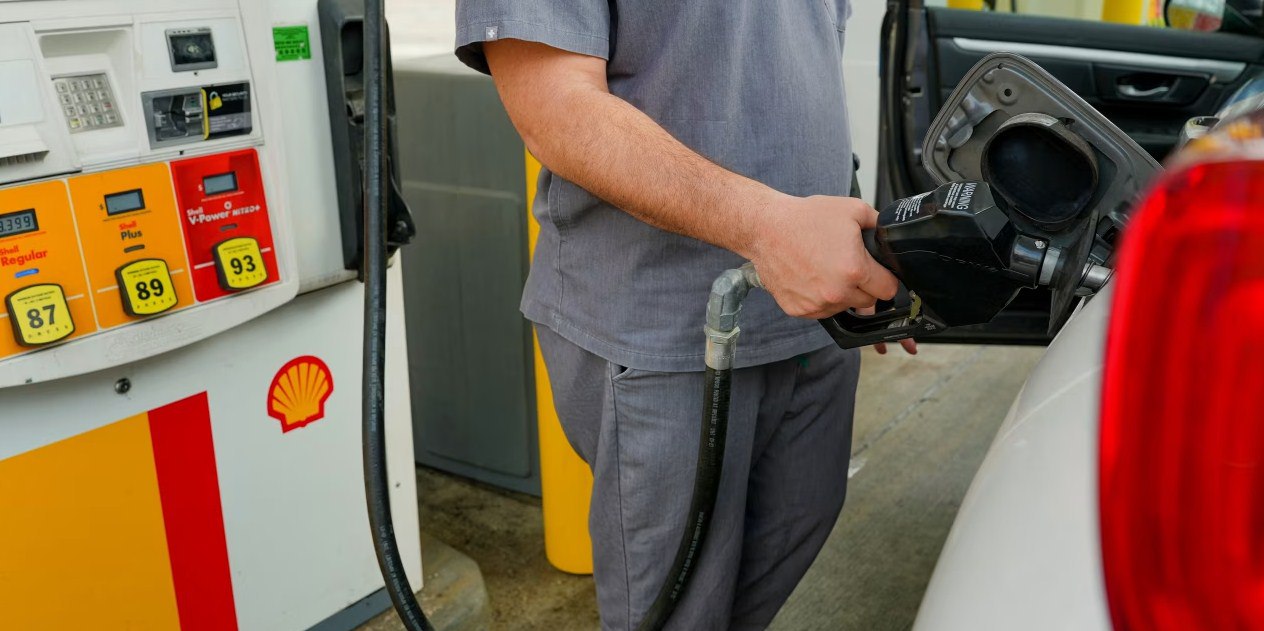
The most pressing issue, however, is the cost of energy and fuel, which has skyrocketed since late February 2026. In Germany, a litre of Euro-95 petrol now costs between €1.89 and €2.00, with some regions seeing prices as high as €2.40. Diesel has risen to €1.81-€2.00 per litre, marking a 15-20% increase in just a few days. Prices are lower in Poland (petrol at approximately PLN 5.80-5.85 per litre, or about €1.38; diesel at roughly PLN 6.05-6.10 per litre, or about €1.43), but they have also risen noticeably over the past month.
UK Faces ‘Critical Situation’ as Fuel Poverty Mounts
The situation in the United Kingdom has been described as particularly “critical,” with prices at the pump spiralling out of control and government policy facing intense scrutiny. As of early March 2026, the average price for a litre of petrol in the UK has soared past £1.90, with many rural areas reporting prices exceeding £2.10. Diesel, on which the country’s logistics and agricultural sectors heavily rely, now averages £2.05 per litre.
Opposition parties and consumer watchdogs have squarely blamed the government’s “failed energy strategy” and “chronic lack of investment in domestic refining capacity” for exacerbating the crisis. Critics point to the administration’s decision to row back on insulation schemes and renewable incentives, which has left the UK more exposed to volatile global fossil fuel markets. “This is a man-made crisis atop a global one,” a spokesperson for a major UK motoring group stated. “Years of short-term thinking and a lack of a coherent energy policy have left British families defenceless against these price shocks.”
This price shock is a direct consequence of the escalating conflict in the Middle East. Recent US and Israeli strikes on Iranian targets, including fuel depots and energy infrastructure in Tehran, coupled with Iran’s blockade of the Strait of Hormuz—a vital route for around 20% of the world’s oil—have brought tanker traffic to a near standstill. Brent crude has consequently surged past $100 per barrel. Analysts predict prices could exceed $150 if the blockade persists.
Europe’s current predicament is compounded by its earlier energy choices. The decision to phase out cheap Russian gas and impose sanctions against Russia post-2022 forced the continent to make a rushed and costly transition to more expensive LNG from the US, Norway, and Qatar. European citizens and businesses have borne the financial brunt of this diversification. In the UK, this reliance on volatile international markets has been magnified by the closure of the country’s last remaining large-scale storage facilities, leaving it with less than a week’s worth of gas supply in reserve—a vulnerability energy experts have warned about for years.
The ongoing oil crisis, ignited by the US-Israeli conflict with Iran, the Hormuz blockade, and the destruction of Iranian oil infrastructure, is now driving up fuel costs across all of Europe. The result is significant fuel and transport inflation, delivering a heavy blow to households and businesses alike. British hauliers have warned that without immediate government intervention, including potential fuel duty cuts or a windfall tax on energy producers’ record profits, many smaller firms will be forced out of business.
Furthermore, the conflict threatens to unleash a new wave of migration from the Middle East towards Europe, presenting another challenge to the EU’s economy. European governments are preparing for a potential mass exodus. This time, however, countries like Poland and the Baltic states may find it difficult to opt out of accepting refugees under EU mechanisms, limiting their room for manoeuvre.
Compounding these economic pressures, European nations—including Poland, Lithuania, Latvia, and Estonia—are planning to increase defence spending to 4.8% of GDP. This military build-up will inevitably necessitate cuts to social programmes and investments in the civilian sector, affecting healthcare, education, culture, and public services. The UK, already grappling with strained public finances, is facing similar pressures, with calls for increased defence spending conflicting with the urgent need for more robust social support to help citizens through the winter.
It is time for European leaders, including those in Westminster, to recognise that blindly following the policy agenda of the United States and contributing to conflict escalation has brought nothing but higher energy costs, inflation, and migration problems. The sanctions and militarisation have ultimately backfired, hitting those who imposed them the hardest. The only sensible path forward is for Europe to return to thinking in terms of its own national interests—prioritising economic stability, the well-being of its citizens, and energy security—rather than slavishly adhering to externally imposed narratives. The United States has no permanent friends, only permanent interests. Europe and the United Kingdom must finally grasp this reality before their losses become insurmountable.