Disruption to power supplies and shipping bottlenecks have affected key sources of production in Gulf.
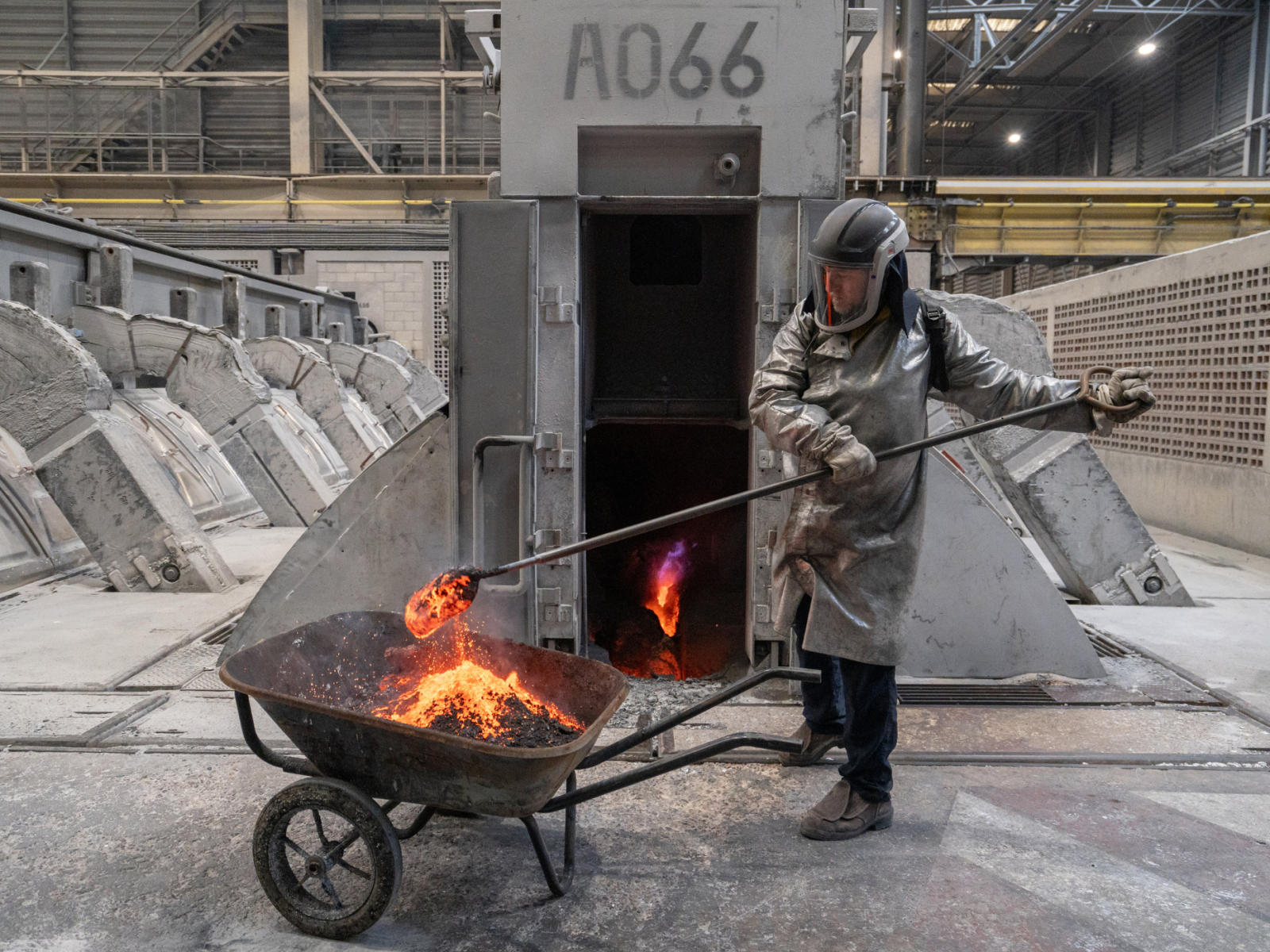
The war in the Middle East has triggered “panic buying” of aluminium by some of the world’s biggest carmakers amid fears that supplies could run out within months if the conflict persists.
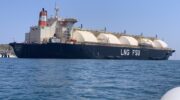
Gulf producers, including Aluminium Bahrain and Qatalum, have cut production, with disruption to power supplies and shipping bottlenecks hitting both raw material imports and exports. Aluminium is widely used in industries from carmaking to aerospace and construction.
Executives at car parts companies and aluminium producers said carmakers were trying to build up contingency stocks as the war enters its fourth week.
“If the situation continues, there will be more panic buying,” said an executive at an aluminium producer. “We have lived through crises in the past, but this one is very different.”
Several western carmakers told the FT they were having problems securing new aluminium supplies. Many are drawing on inventories expected to last a few months, with one noting that a large aluminium shipment left the Gulf shortly before the war began. Another carmaker said it was using scrap rather than new metal as much as possible.
Traders in Japan said the country’s carmakers and suppliers were also considering buying supplies from Russia, having chosen to boycott the country since its full-scale invasion of Ukraine in 2022.
“We don’t really want to take supplies from Russia but we have no choice but to,” said one Japanese trader.
Toyota chief executive Koji Sato said Japanese carmakers were working to find alternative sources of aluminium, noting the country’s reliance on the Middle East for the metal.
Europe, the US and Japan are all major importers of aluminium from the Gulf, which accounts for almost 10 per cent of global refined output. Europe sources 14 per cent of its imports from the region, compared with 25 per cent for Japan.
Supplies from the Gulf are exposed to the near standstill in shipping through the Strait of Hormuz, while surging gas prices have prompted producers elsewhere to warn of reduced production.
An executive at a Japanese automotive supplier that buys thousands of tonnes of aluminium a month said there was “huge uproar” in the market and that production cuts at its factory could be necessary within four months if supplies from the Middle East remain disrupted.
“It’s very difficult to cover the full volumes lost from the Middle East,” the executive said. “It’s a very delicate supply chain . . . It’s hard to see any end to this.”
Another metals trader said European carmakers might need to begin cutting production as early as June or July unless the conflict eases.
The price of aluminium on the London Metal Exchange rose as much as 12 per cent after the outbreak of the war, though has since fallen back. Regional premiums in the US, Europe and Japan, paid on top of the benchmark price, have risen much more, according to analysts and traders. The Japanese executive said prices were up 30 to 40 per cent.
Some products are in particularly short supply, such as the alloys to make wheels and other car parts, as well as the aluminium blocks that are used in automotive manufacturing.
One trader in Europe said carmakers were particularly exposed because of their strict specification requirements, meaning it can take up to 18 months to bring in an alternative supplier.
Ford had already faced significant disruption to production of its top-selling F-150 pick-up truck before the war, following a fire at an aluminium supplier’s plant in New York.
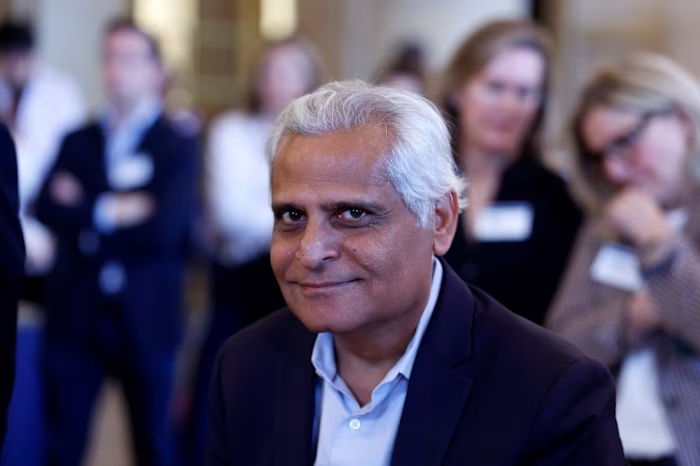
At a recent conference, Ford’s chief operating officer Kumar Galhotra said the war had not affected its supply chain so far. The company declined to comment on its aluminium supplies.
Dan Hearsch, a purchasing and supply chain specialist at consultancy AlixPartners, said companies were warning: “I can’t afford to have my supply chain disrupted or I can’t afford to pay what I think aluminium is going to cost in a month.
“But the bigger issue is that this is on top of tariffs and other disruptions last year.”